
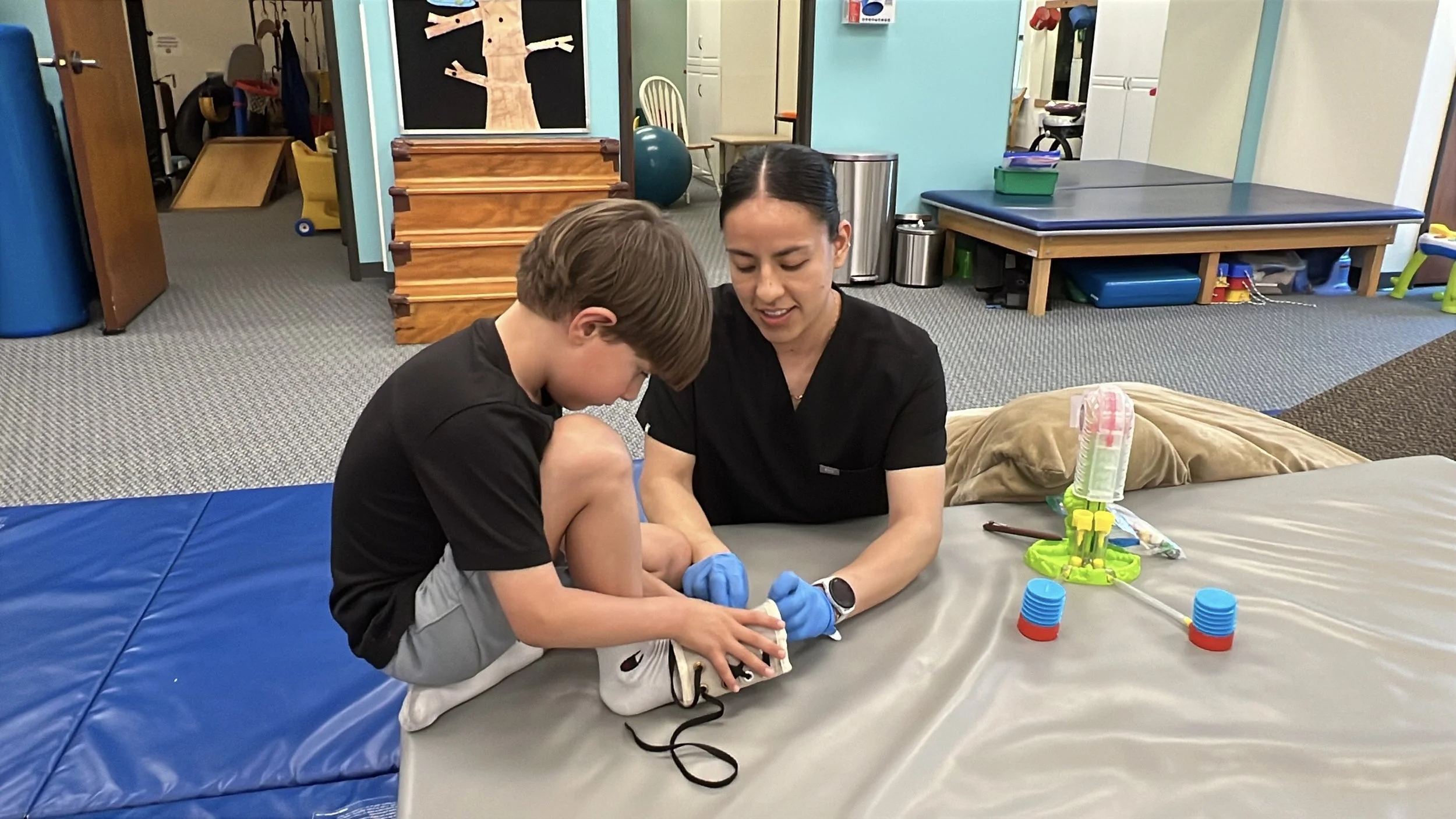
Does Your Child Struggle With Sensory Processing?
Some children experience the world more intensely than others.
They may become overwhelmed by everyday sounds, textures, movement, or busy environments. These reactions can affect behavior, attention, feeding, sleep, and participation in daily activities.
Supportive occupational therapy can help children feel more regulated, confident, and successful.
If you are wondering whether your child’s reactions are typical or something more, our therapists are happy to help you think through next steps. You can call our clinic to ask questions or schedule an occupational therapy evaluation whenever you feel ready.

You may notice your child:
covers ears or becomes upset with everyday noises
avoids certain clothing textures or tags
seeks constant movement, jumping, or crashing
has frequent meltdowns in busy environments
struggles to sit still or focus on tasks
avoids messy play or certain food textures
has difficulty calming after becoming upset
appears overly sensitive or under-responsive to touch
Some children with sensory processing challenges also struggle with eating or trying new foods. If your child has a very limited diet or stressful mealtimes, learn more about feeding challenges →
Why sensory processing differences happen
Sensory processing involves how the brain receives and responds to information from the body and environment.
When this process is less efficient, children may feel overwhelmed or seek extra sensory input to feel regulated.
Challenges can affect:
emotional regulation
attention and learning
motor coordination
feeding and daily routines
social participation
Understanding your child’s unique sensory profile helps guide effective therapy.
How occupational therapy can help
Occupational therapy focuses on helping children develop regulation, body awareness, and confidence in daily activities.
Your child may work on:
sensory modulation and calming strategies
improving attention and participation
building coordination and body control
increasing tolerance for textures and environments
developing independence in daily routines
Therapy is play-based and individualized. Learn more about occupational therapy here →
Why early support matters
When sensory challenges continue, children may experience increasing frustration, avoidance, or difficulty at school and home.
Early intervention can help build coping strategies and positive participation.
What to expect at an occupational therapy evaluation
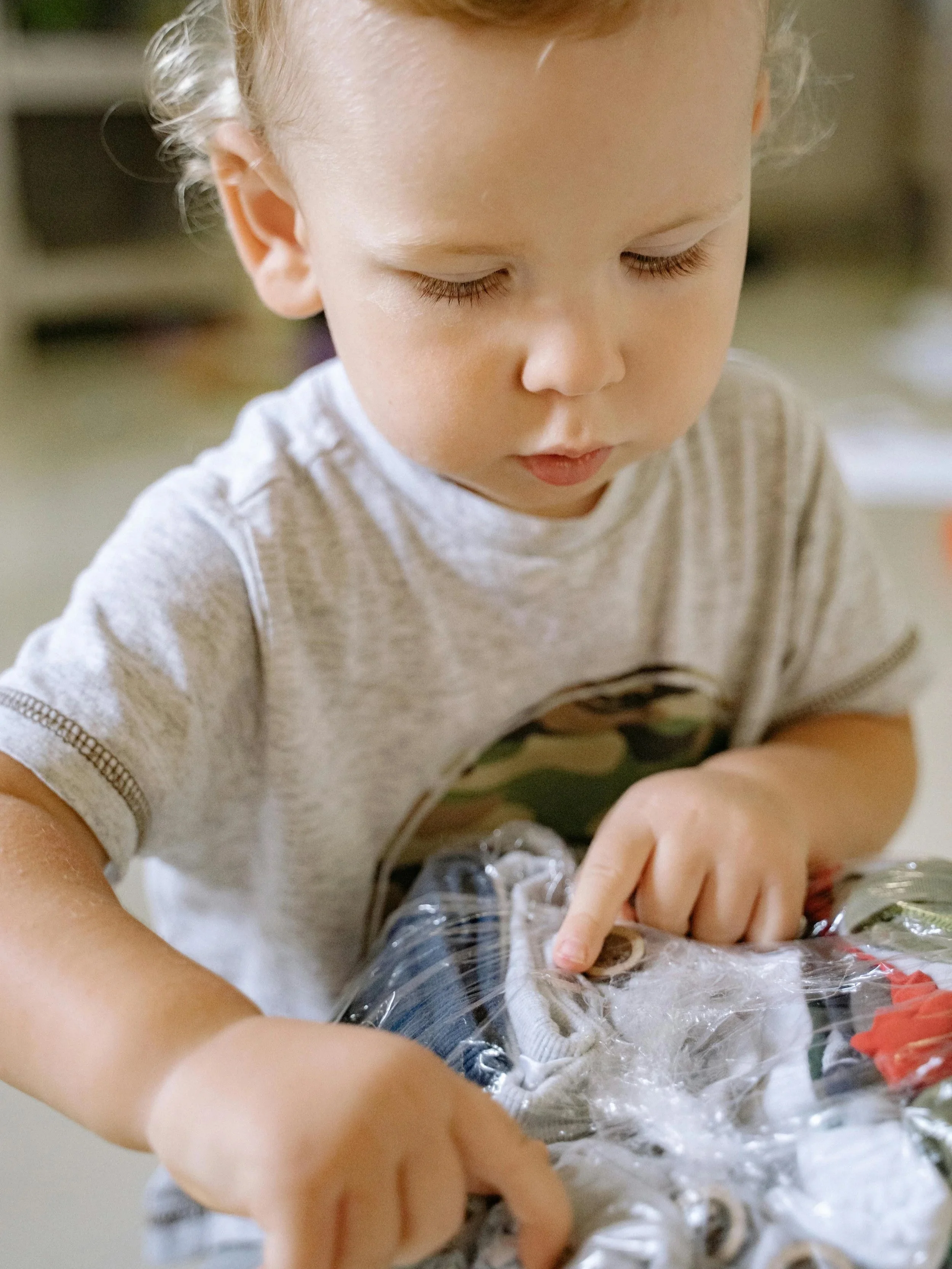
discussion of developmental history and current concerns
observation of sensory responses and motor skills
identification of regulation patterns and triggers
individualized recommendations and therapy plan
Parents leave with practical strategies to support their child.
Supportive sensory-informed care
Pediatric occupational therapists experienced in sensory processing differences
Calm, structured sessions that help children feel safe and successful
Parent coaching to support regulation at home and school
Collaboration with teachers and medical providers when appropriate
Most major insurance plans accepted - view accepted insurances here
If sensory challenges are affecting your child’s daily life, support can make a meaningful difference.