

Do Mealtimes Feel Like a Daily Battle?
If meals often end in frustration, tears, or power struggles, you are not alone.
Many families feel worried when their child refuses foods, leaves the table constantly, or becomes overwhelmed during mealtimes.
Feeding challenges can affect nutrition, family routines, and a child’s confidence.
Supportive therapy can help make eating feel calmer and more successful.
If you’re unsure whether your child’s mealtime struggles are typical, our therapists are happy to help you think through next steps. You can call our clinic to ask questions or schedule a feeding evaluation whenever you feel ready.
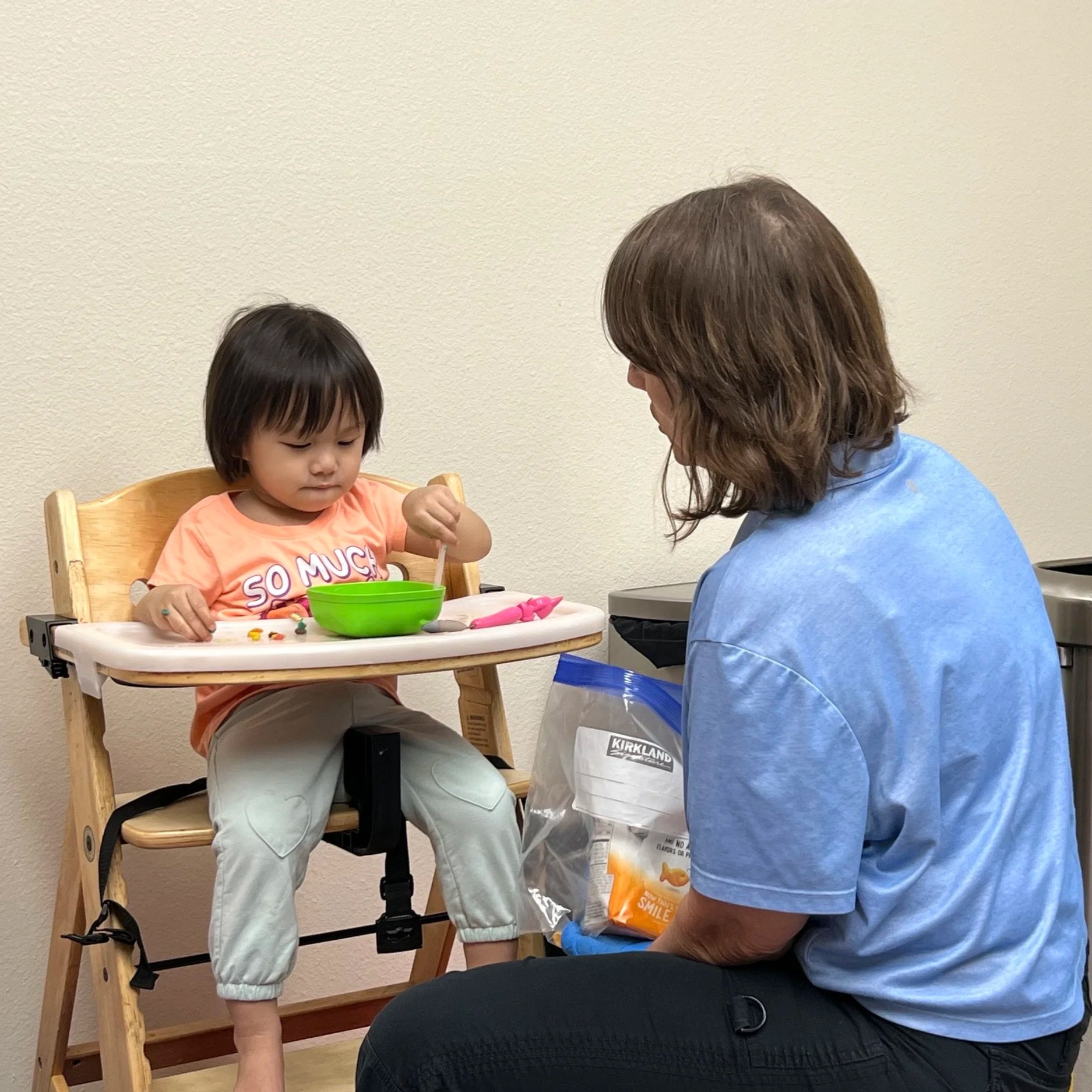
You may notice your child:
refuses to sit at the table or stay seated
cries, yells, or melts down during meals
throws, pushes away, or avoids food
eats very slowly or becomes easily distracted
insists on only specific foods or brands
gags or avoids certain textures
leaves meals hungry due to refusal
mealtimes feel stressful for the whole family
Some children who struggle at the table also have difficulty learning to chew textured foods or transitioning away from bottles or purees. If your child relies heavily on smooth foods or has trouble eating solids, learn more about feeding transitions →
In some cases, mealtime struggles are connected to difficulty chewing or managing food safely.
If your child gags, coughs, or seems unsure how to eat certain foods, learn more about feeding coordination challenges →
Why mealtimes can feel so difficult
Feeding struggles are often more complex than simple behavior.
Children may experience challenges related to:
sensory sensitivities to taste, smell, or texture
oral-motor coordination differences
posture and body stability while eating
attention or regulation difficulties
past negative feeding experiences
Understanding the underlying reason helps guide effective support.
How feeding therapy helps
Feeding therapy focuses on helping children feel safer, more confident, and more successful during meals.
Your child may work on:
gradually exploring new foods
improving chewing and coordination
developing calm, predictable mealtime routines
building attention and self-regulation skills
strengthening posture for seated eating
Sessions are play-based and individualized to your child’s needs.
Learn more about feeding therapy here.
Why early support matters
When mealtime struggles continue, children may develop stronger food refusals or family stress patterns that become harder to change. Early intervention can help create more positive eating experiences and support healthy development.
What to expect at your child’s feeding evaluation
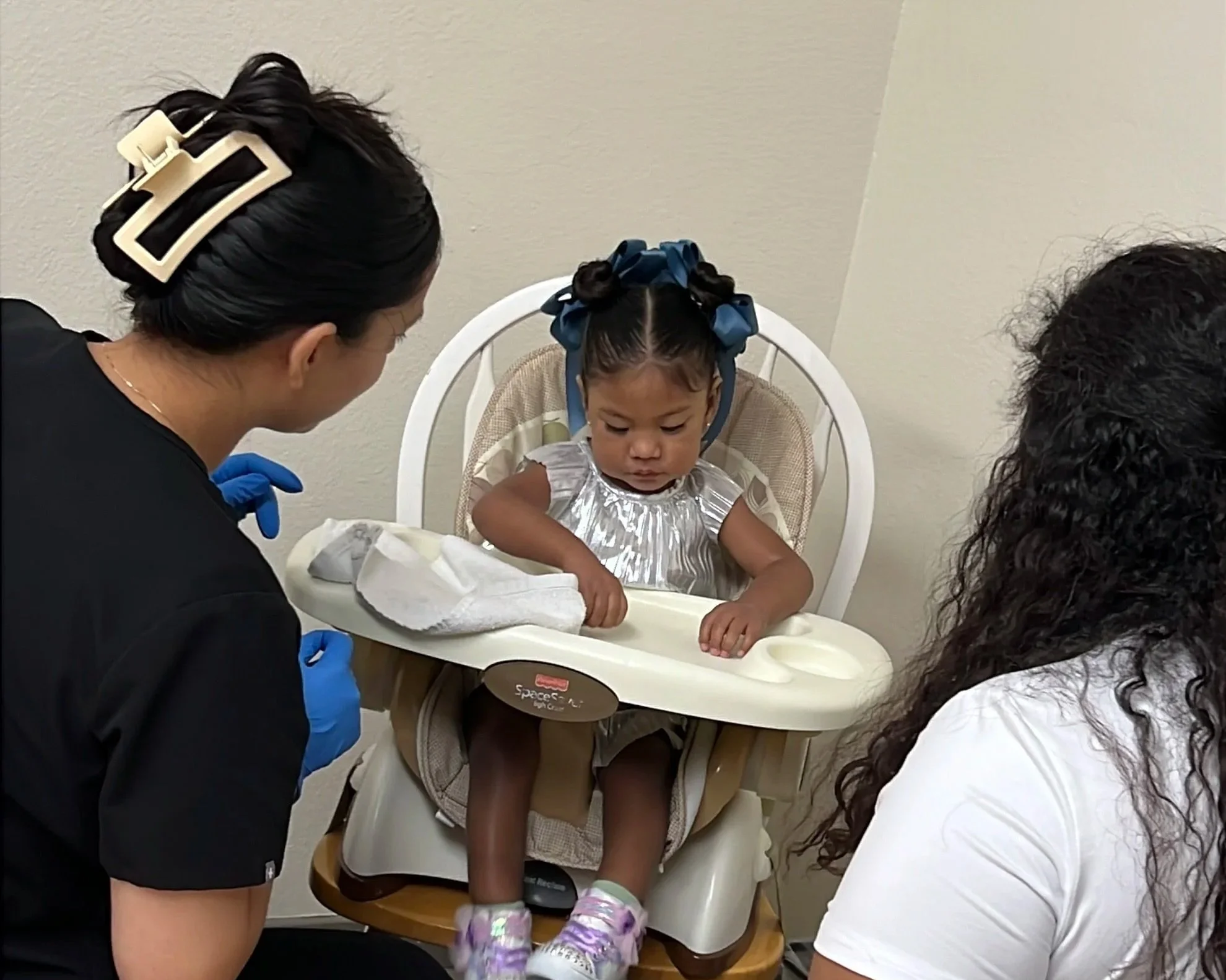
During your child’s evaluation we will:
review feeding history and current concerns
observe eating skills and mealtime behaviors
assess sensory, oral-motor, and positioning factors
provide clear recommendations and next steps
Parents leave with practical guidance and a plan to support their child.
Supportive feeding care for your family
Pediatric therapists experienced in complex feeding challenges
Gentle, step-by-step approach that builds trust with food
Parent coaching to support calmer mealtimes at home
Collaboration with pediatricians and specialists when appropriate
Most major insurance plans accepted - view accepted insurances here
If mealtimes feel overwhelming, you don’t have to manage this alone.
We can help you understand what’s happening and what support may help.