

Is Your Child an Extremely Picky Eater?
If your child only eats a few foods or mealtimes feel stressful, you are not alone. Many families worry about nutrition, growth, and daily frustration around eating.
When picky eating becomes severe, it can affect growth, nutrition, and family routines. Early support helps children build skills and confidence before patterns become more difficult to change.
If you’re feeling unsure about your child’s eating, our team is happy to help you think through next steps. You can call our clinic to speak with our team or schedule a feeding evaluation whenever you feel ready.
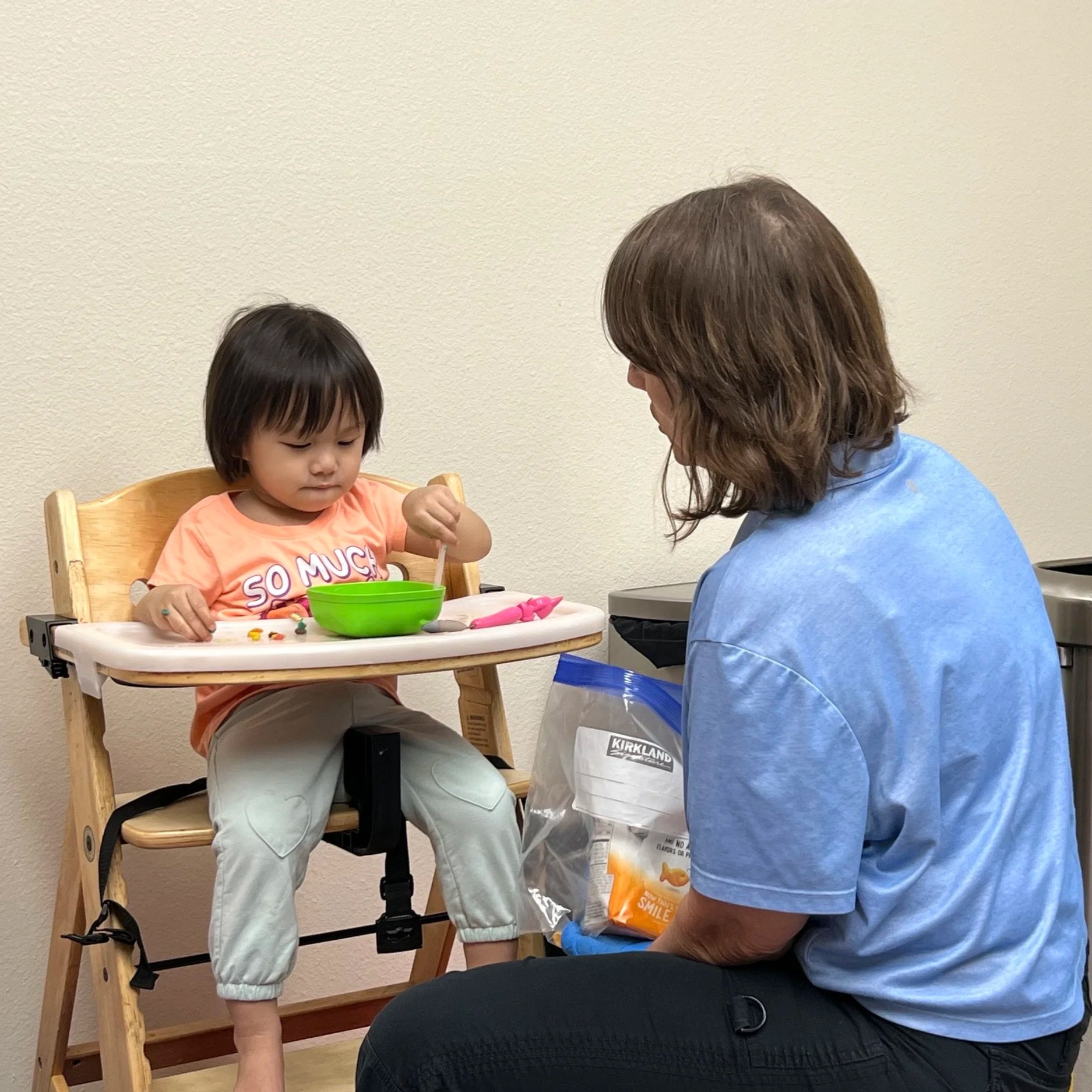
You may notice your child:
eats fewer than 10–15 foods
refuses entire food groups
gags or spits out new textures
becomes upset when unfamiliar foods are offered
strongly prefers specific brands or presentations
Some children who eat only a small number of foods also have underlying feeding skill challenges.
If your child has difficulty chewing or moving beyond pureed foods, learn more about feeding transitions →
If your child gags or struggles to chew certain foods, learn more about gagging and choking during meals →
Why picky eating happens
Selective eating is not simply behavioral. Many children have underlying challenges that make eating difficult, such as:
oral-motor coordination differences
sensory sensitivities to taste, smell, or texture
posture or core stability challenges
delayed feeding skill development
past negative feeding experiences
Understanding the reason behind picky eating helps guide effective therapy.
How feeding therapy helps
Feeding therapy focuses on building comfort, confidence, and skill.
Your child may work on:
gradually exploring new foods in a supportive environment
improving chewing and tongue coordination
increasing tolerance for different textures
developing calm, structured mealtime routines
strengthening posture and body stability for eating
Sessions are play-based and individualized to each child’s needs.
Learn more about feeding therapy here.
What to expect at your child’s feeding evaluation
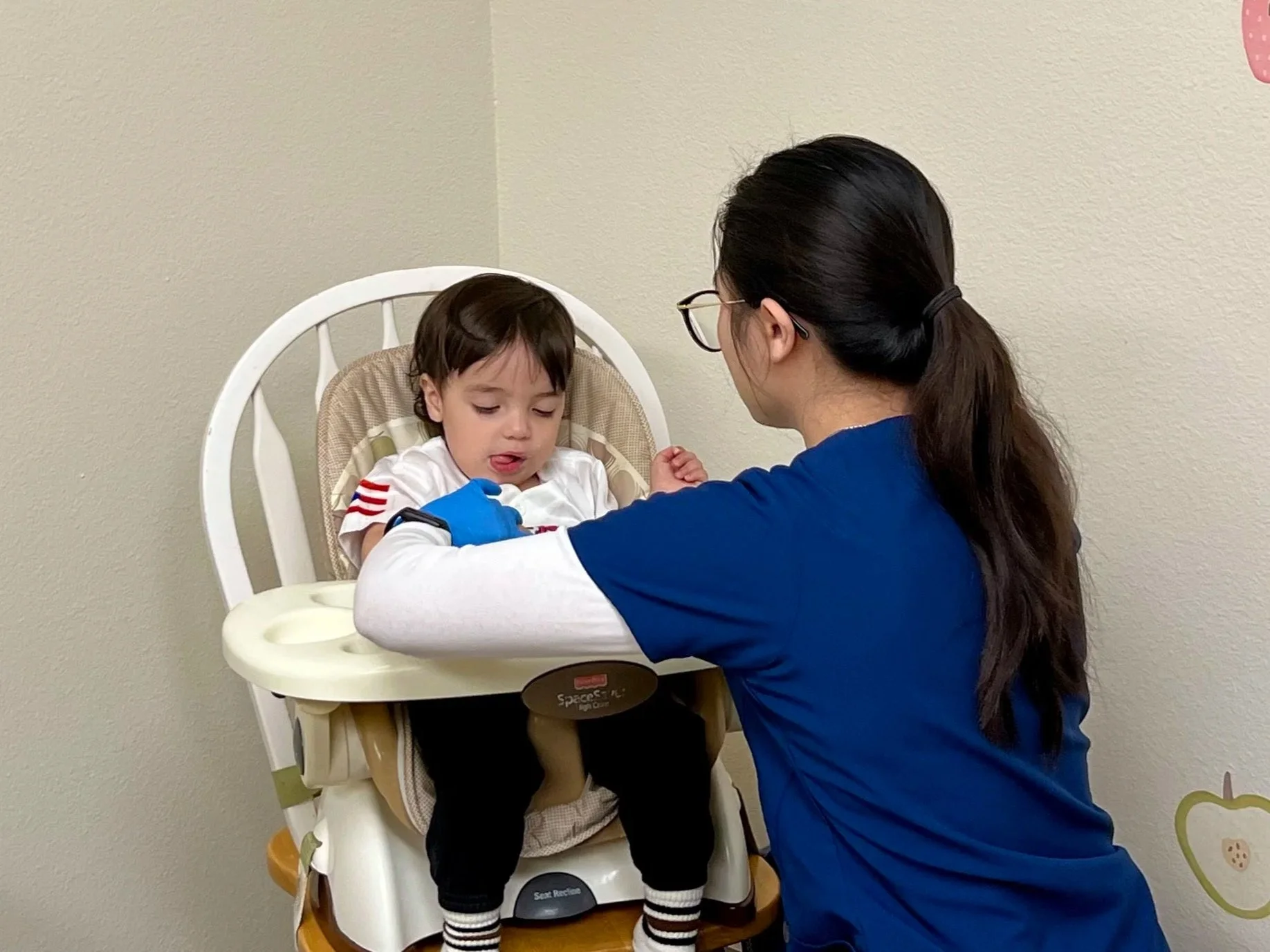
At your first visit we will:
review feeding history and current concerns
observe your child eating or interacting with food
assess oral-motor, sensory, and positioning factors
discuss clear recommendations and next steps
Parents leave with a better understanding of why eating is difficult and how therapy can help.
Why families choose feeding therapy
at South Coast Pediatric Physical Therapy
Experienced pediatric therapists who specialize in feeding and sensory challenges
Gentle, play-based sessions that help children feel safe exploring new foods
Individualized plans focused on real-life mealtime success
Coaching and practical strategies for parents to use at home
Collaboration with your child’s medical providers when needed
Most major insurance plans accepted - view accepted insurances here
Feeding therapy is available at our pediatric therapy clinic in Cypress, California, serving families throughout Orange County and nearby communities.
Concerned about your child’s eating?
We can help you understand what’s going on and what next steps make sense.